

I · This watch
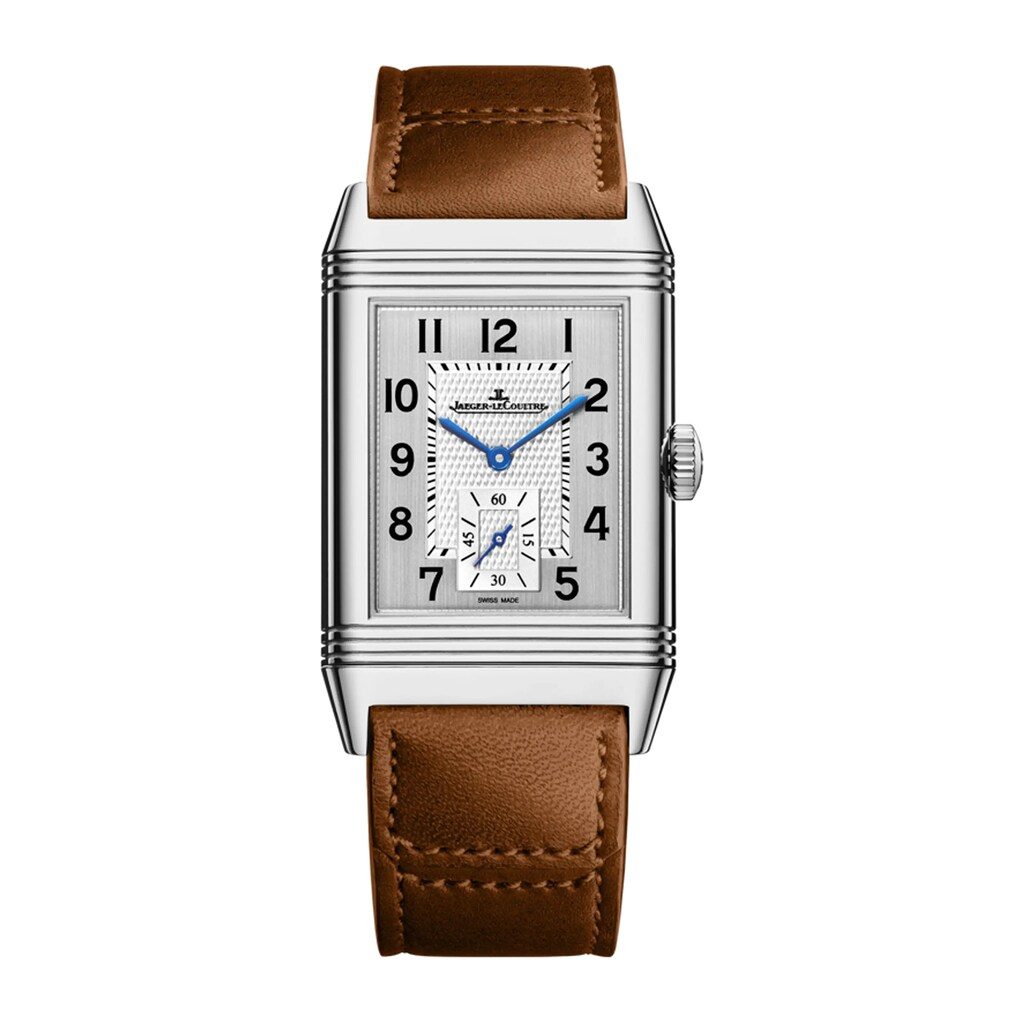
Jaeger-LeCoultre Reverso Classic Duoface (new condition) pairs a 28.5 mm case in stainless steel with a silver dial. It uses a hand-wound movement. Water-resistant to 30 m.
Models
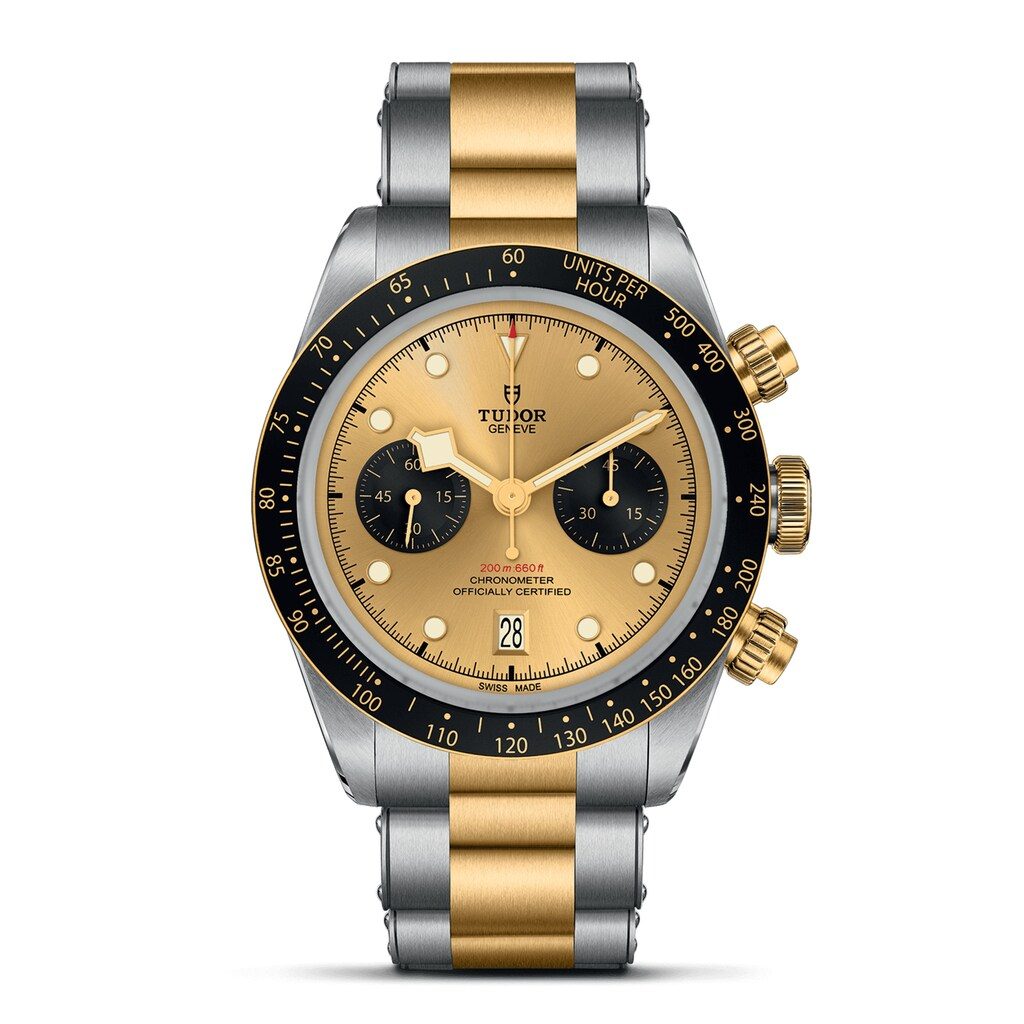 Black Bay94 pcs · from 4 549.39 €
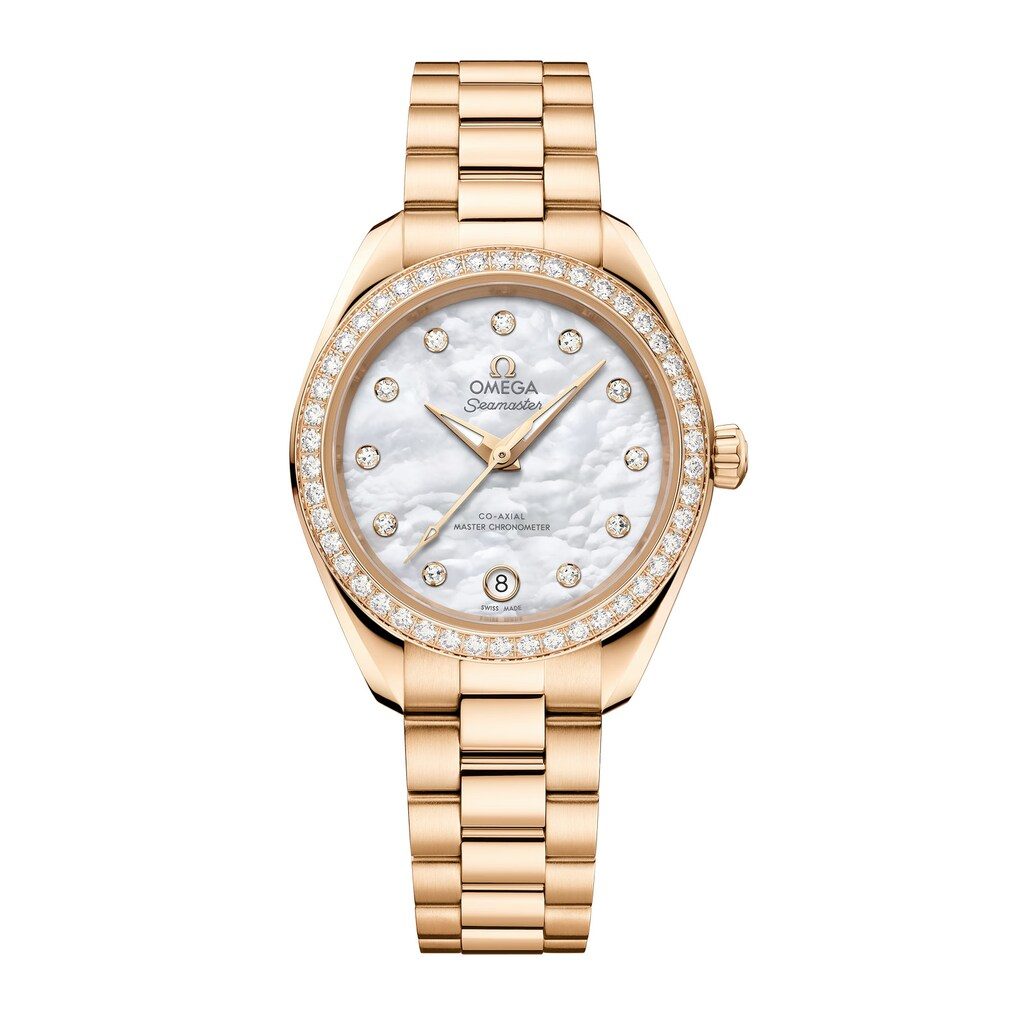 Seamaster Aqua71 pcs · from 4 041.00 €
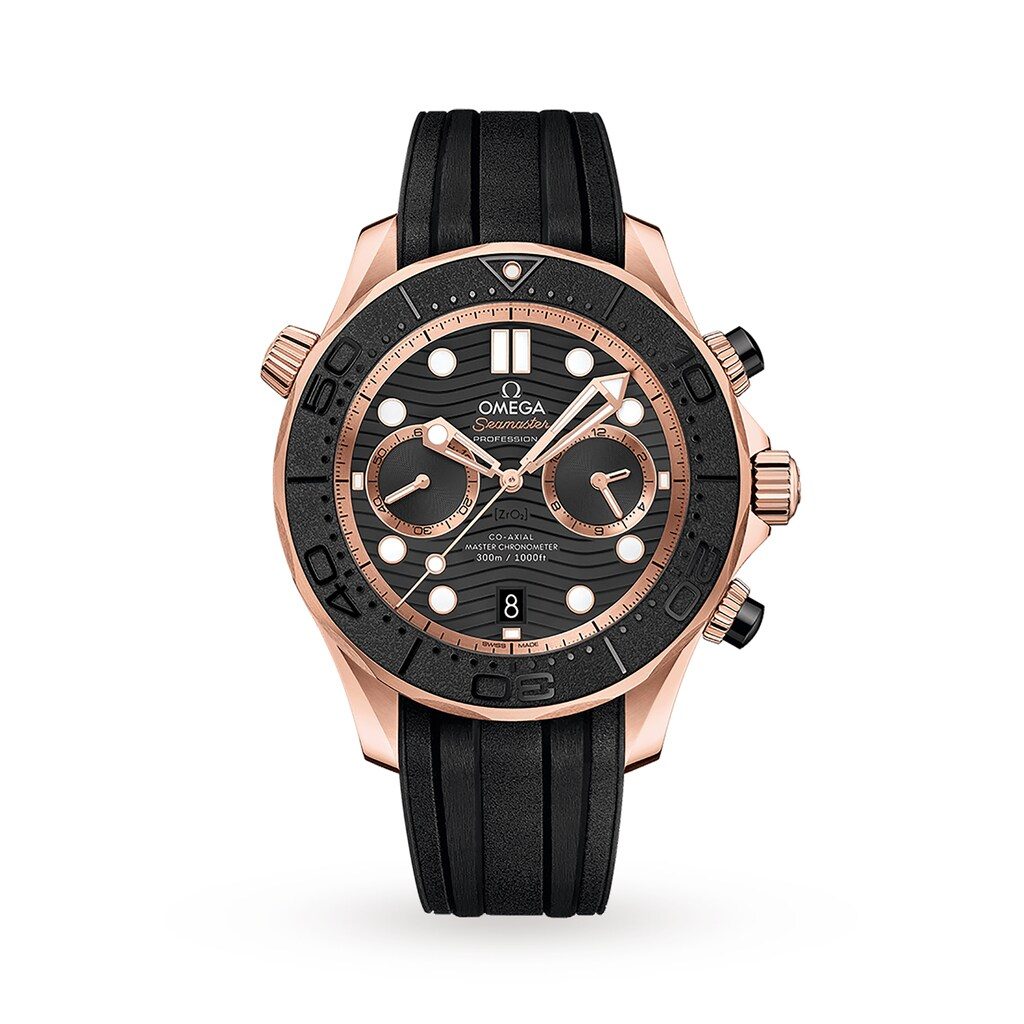 Seamaster Diver48 pcs · from 6 908.81 €
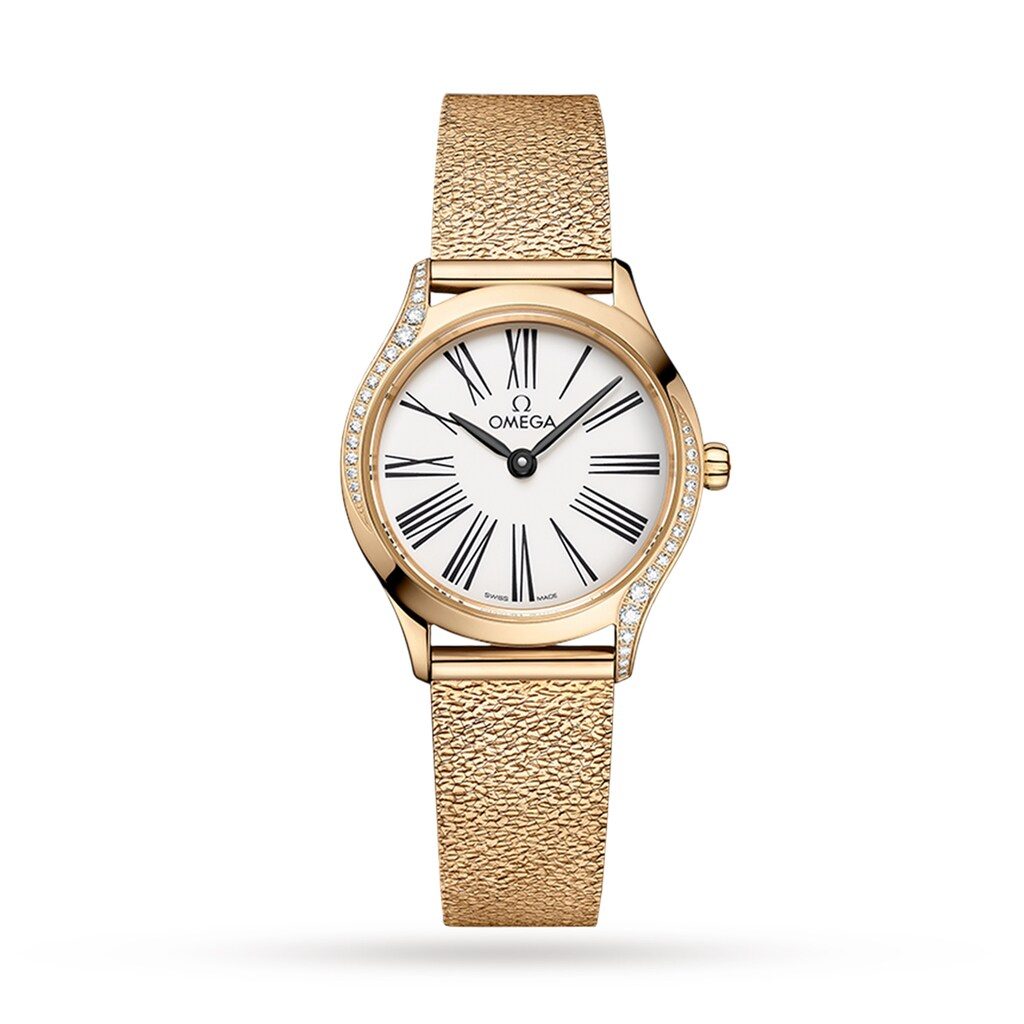 De Ville44 pcs · from 3 649.94 €
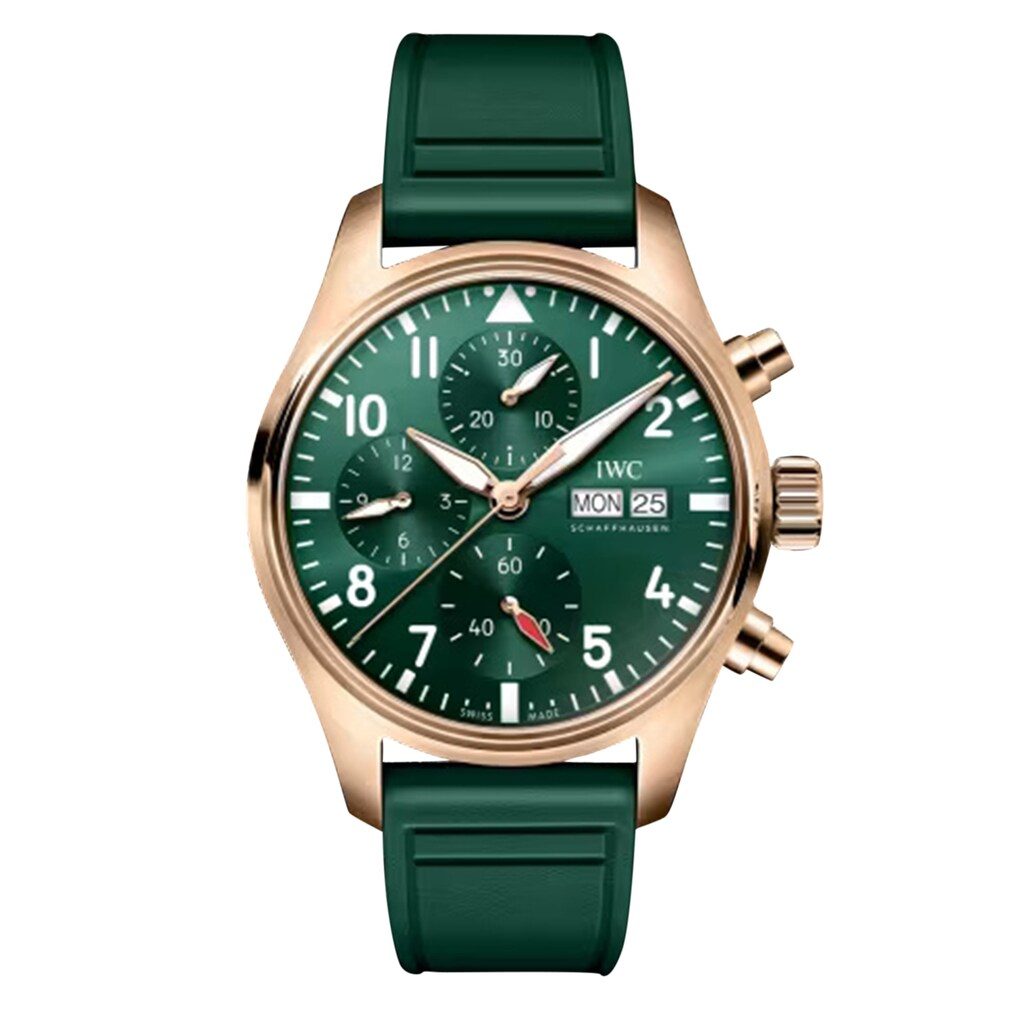 Pilot's33 pcs · from 5 735.62 €
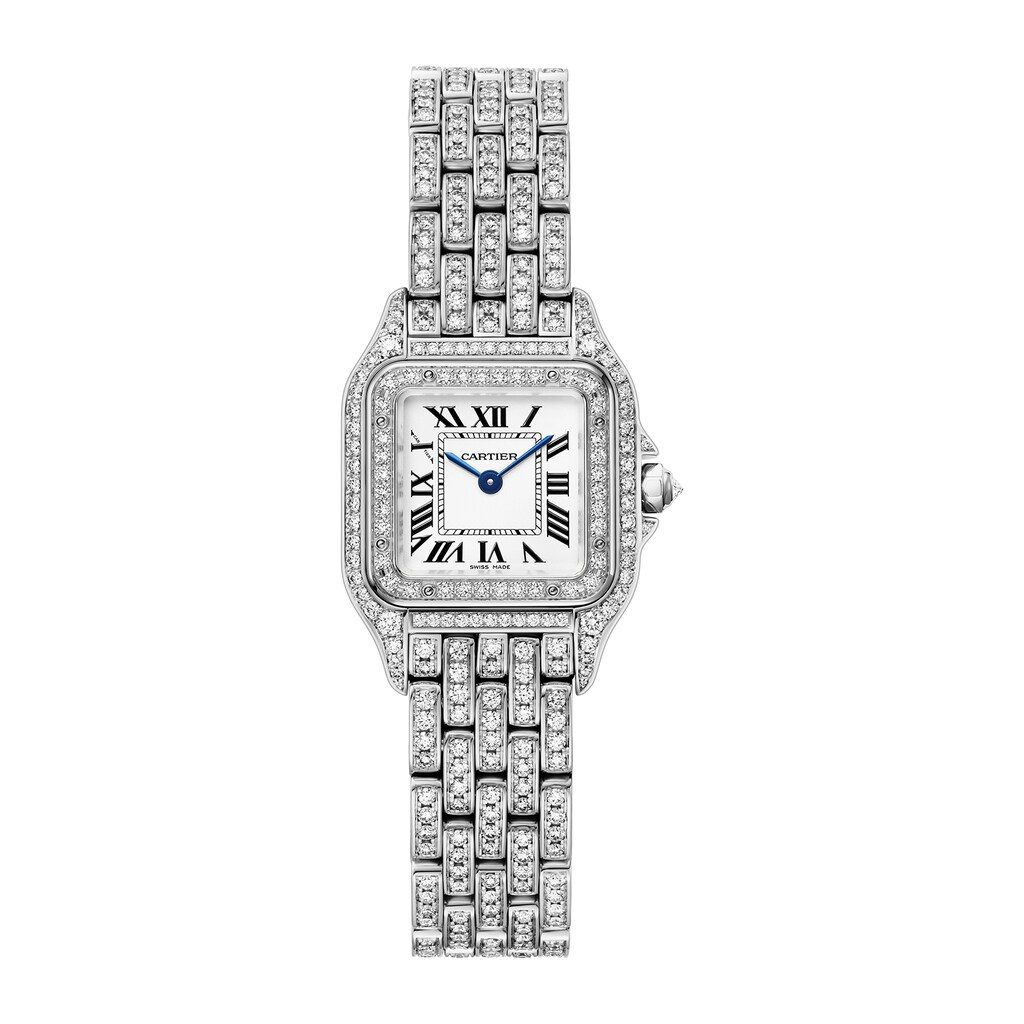 Panthère De32 pcs · from 5 018.66 €
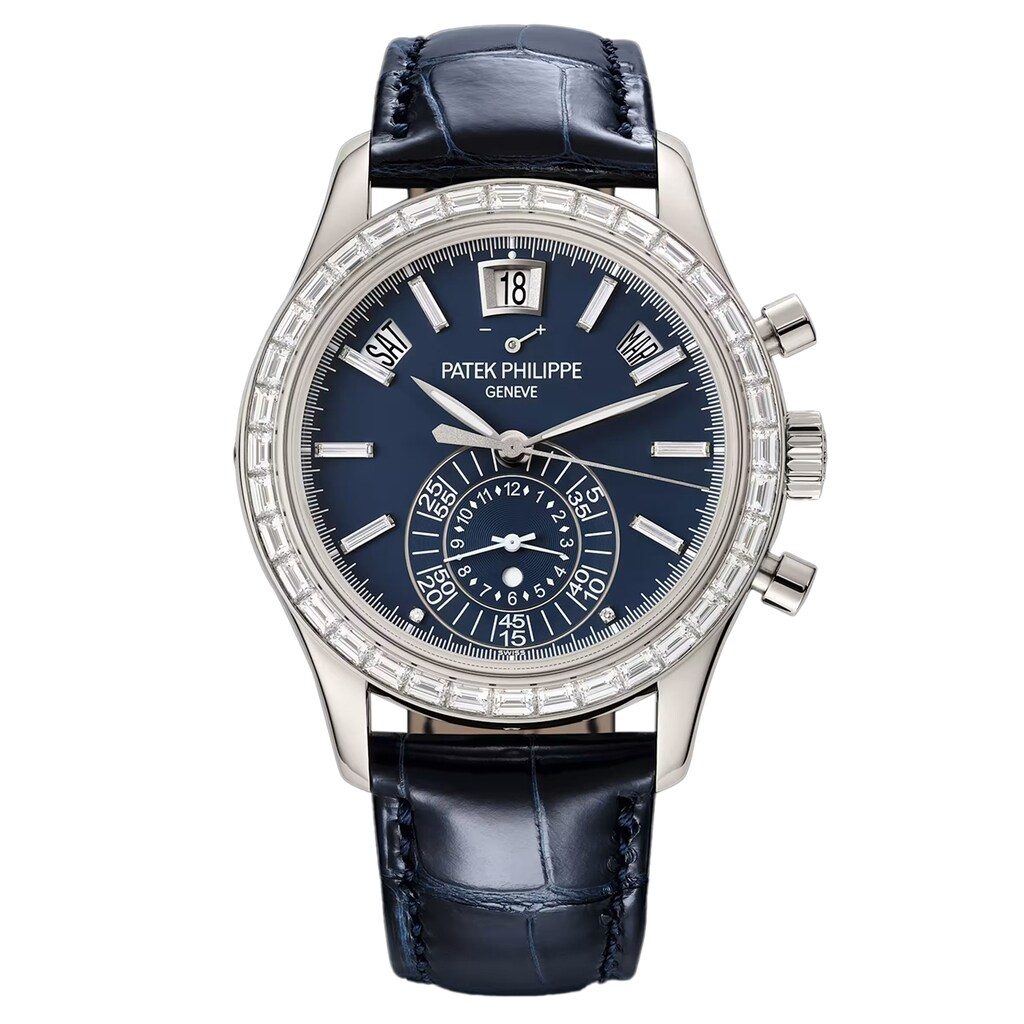 Complication30 pcs · from 45 389.60 €
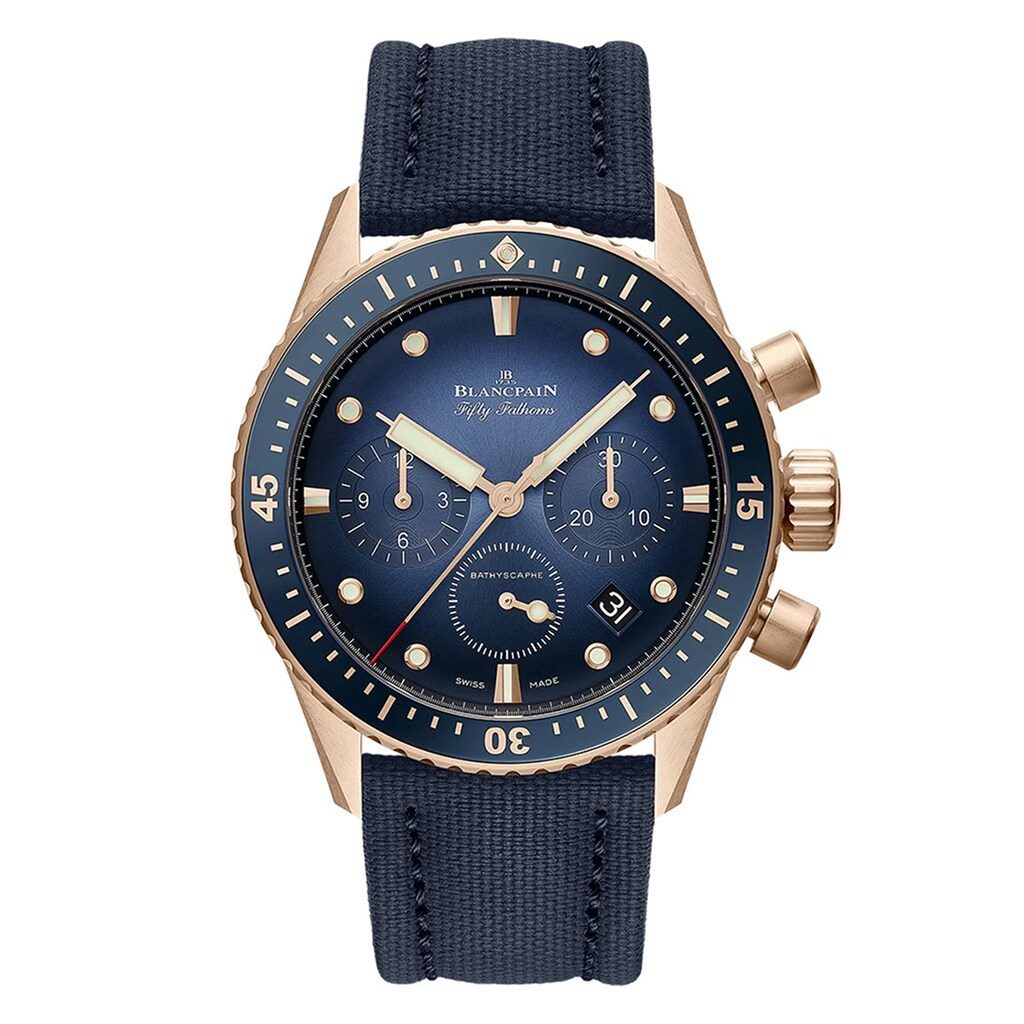 Fifty Fathoms28 pcs · from 12 383.72 €
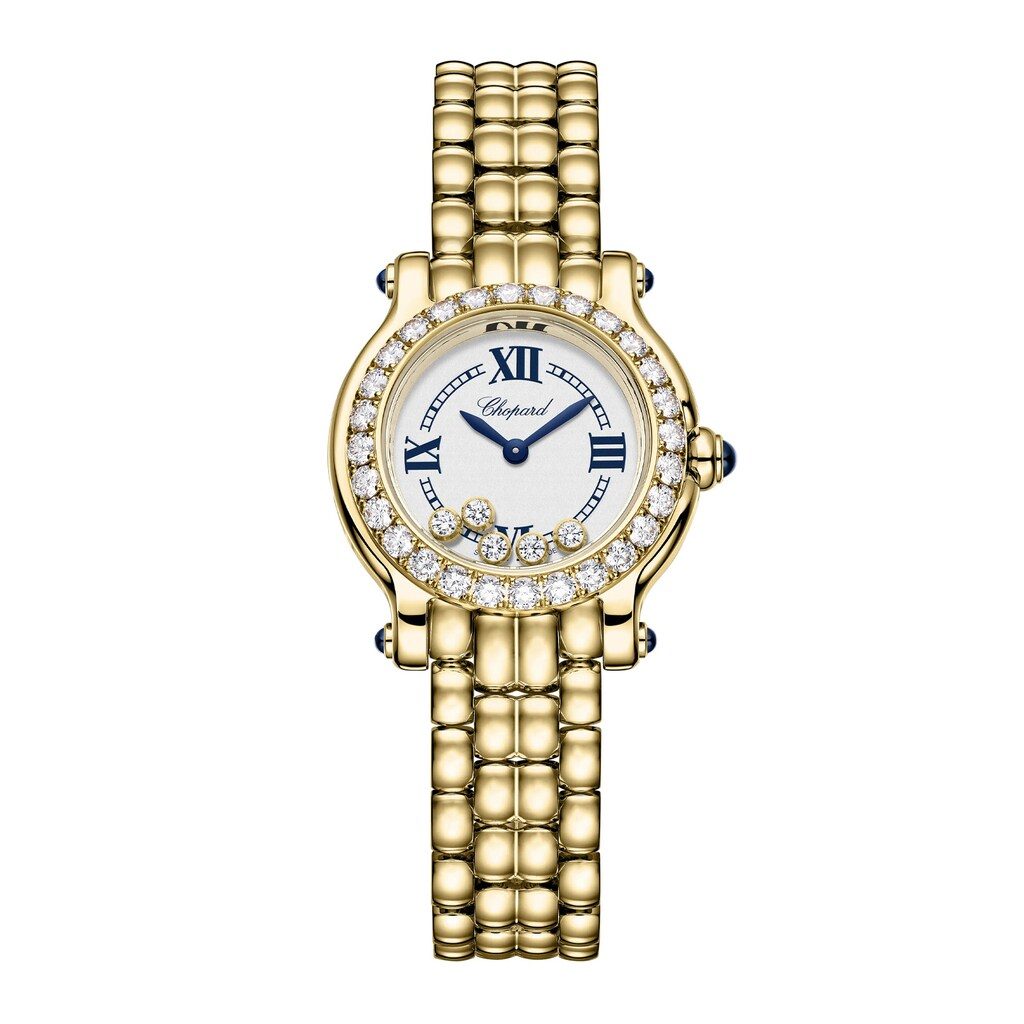 Happy Sport28 pcs · from 6 178.82 €
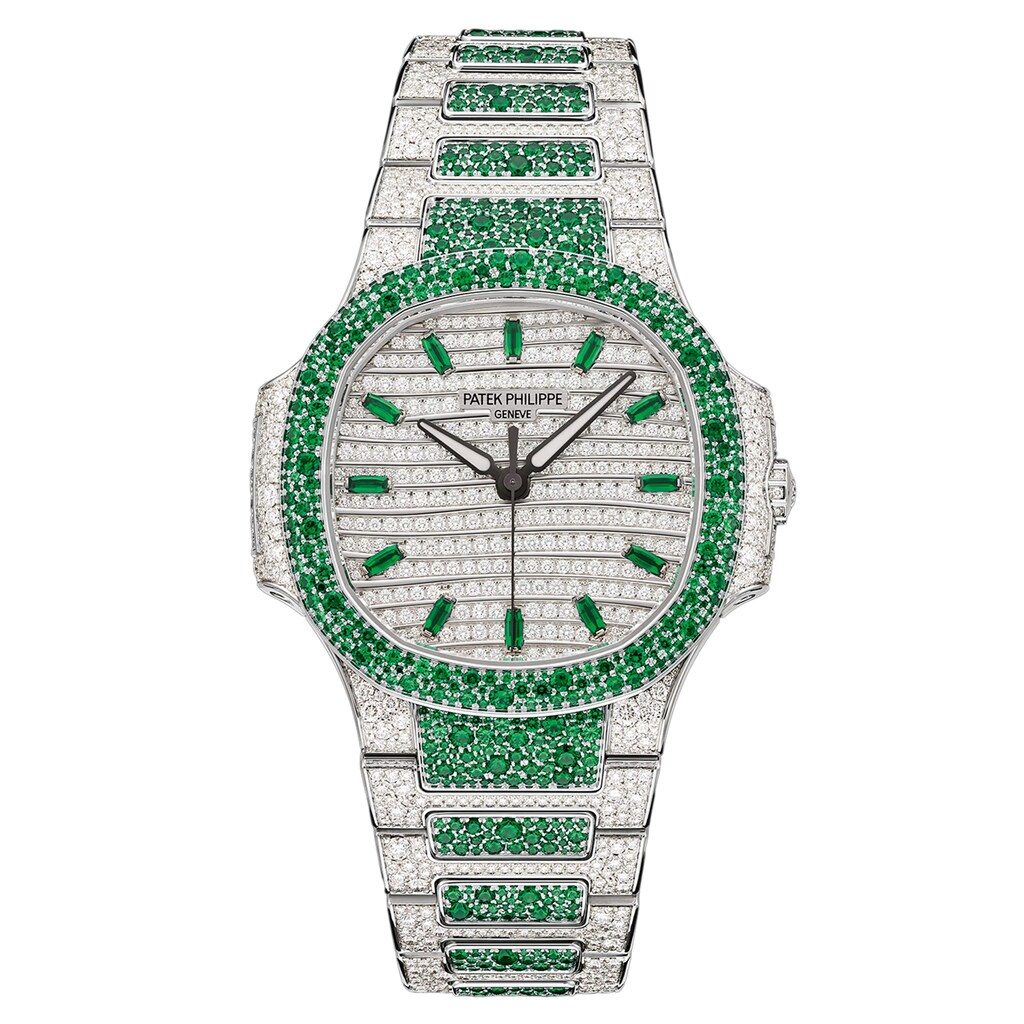 Nautilus27 pcs · from 37 763.83 €
Models
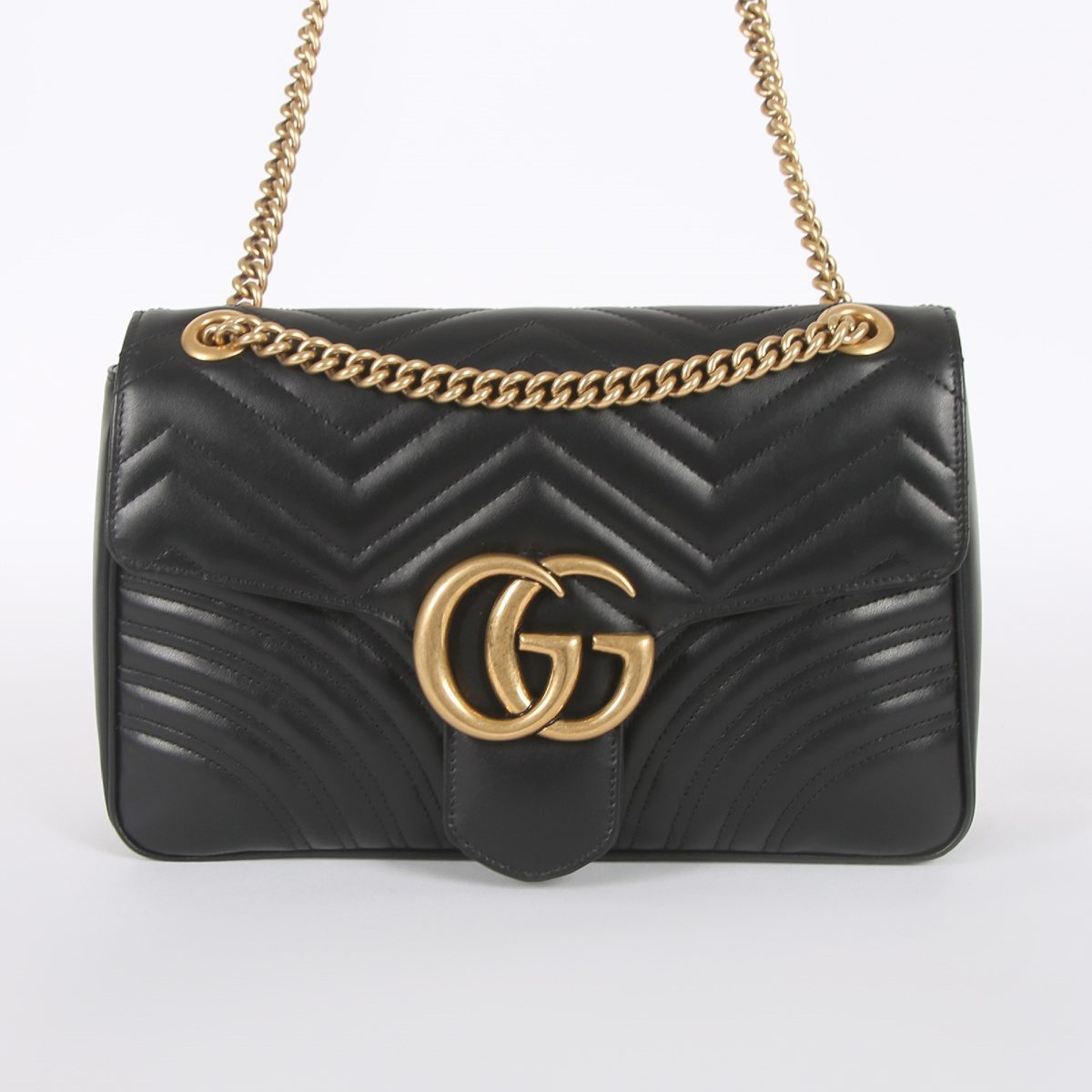 GG Marmont7 pcs · from 299.50 €
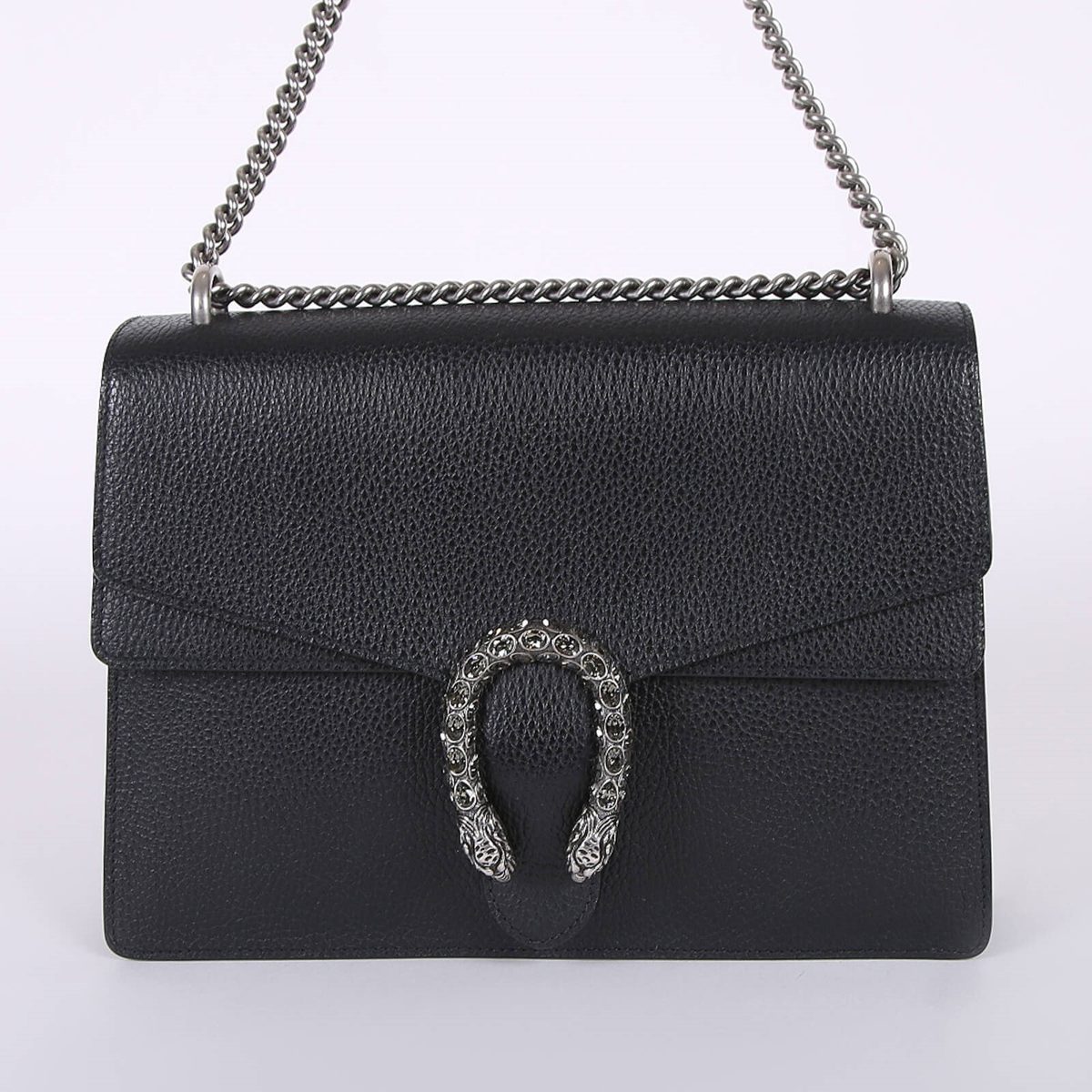 Dionysus6 pcs · from 649.50 €
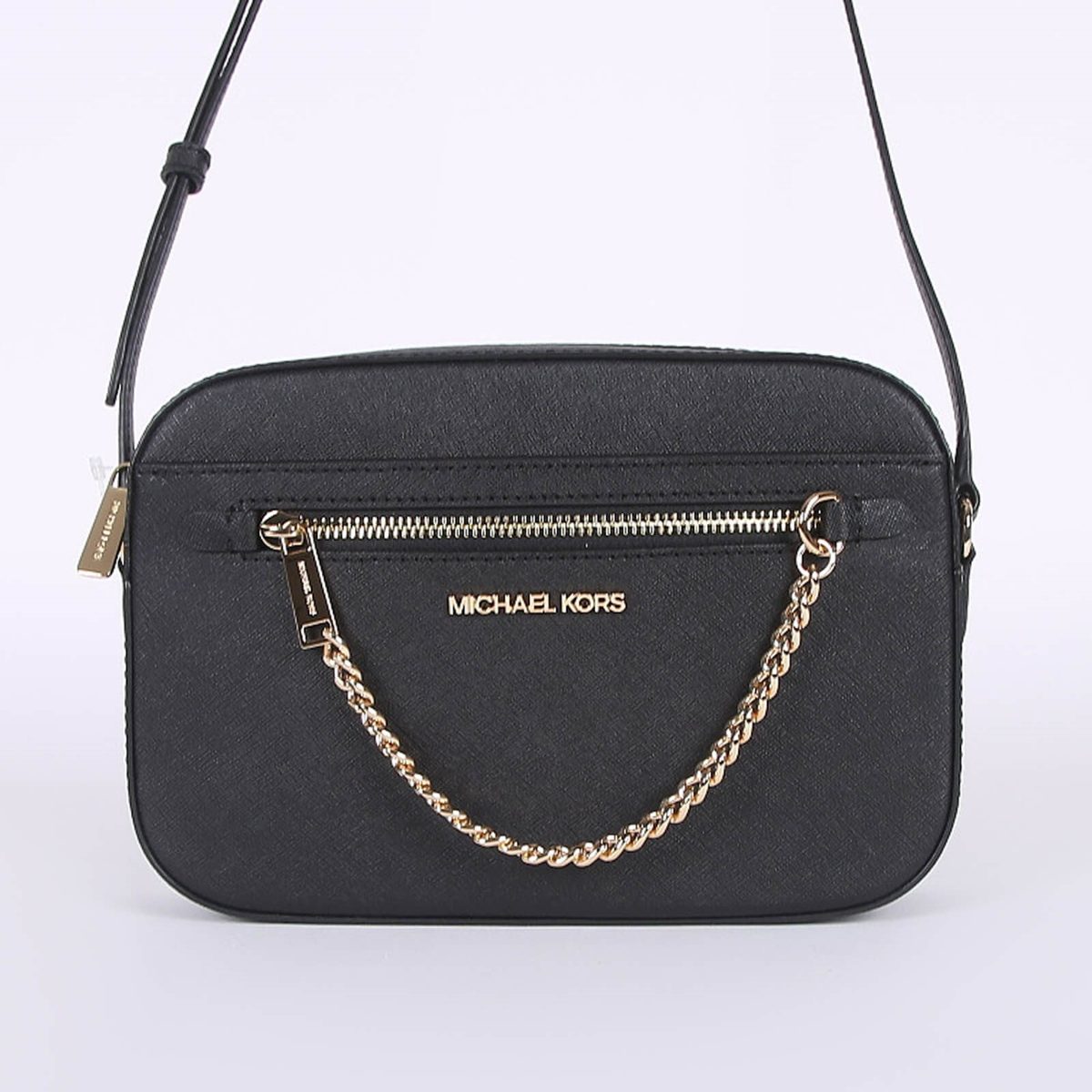 Jet Set6 pcs · from 74.50 €
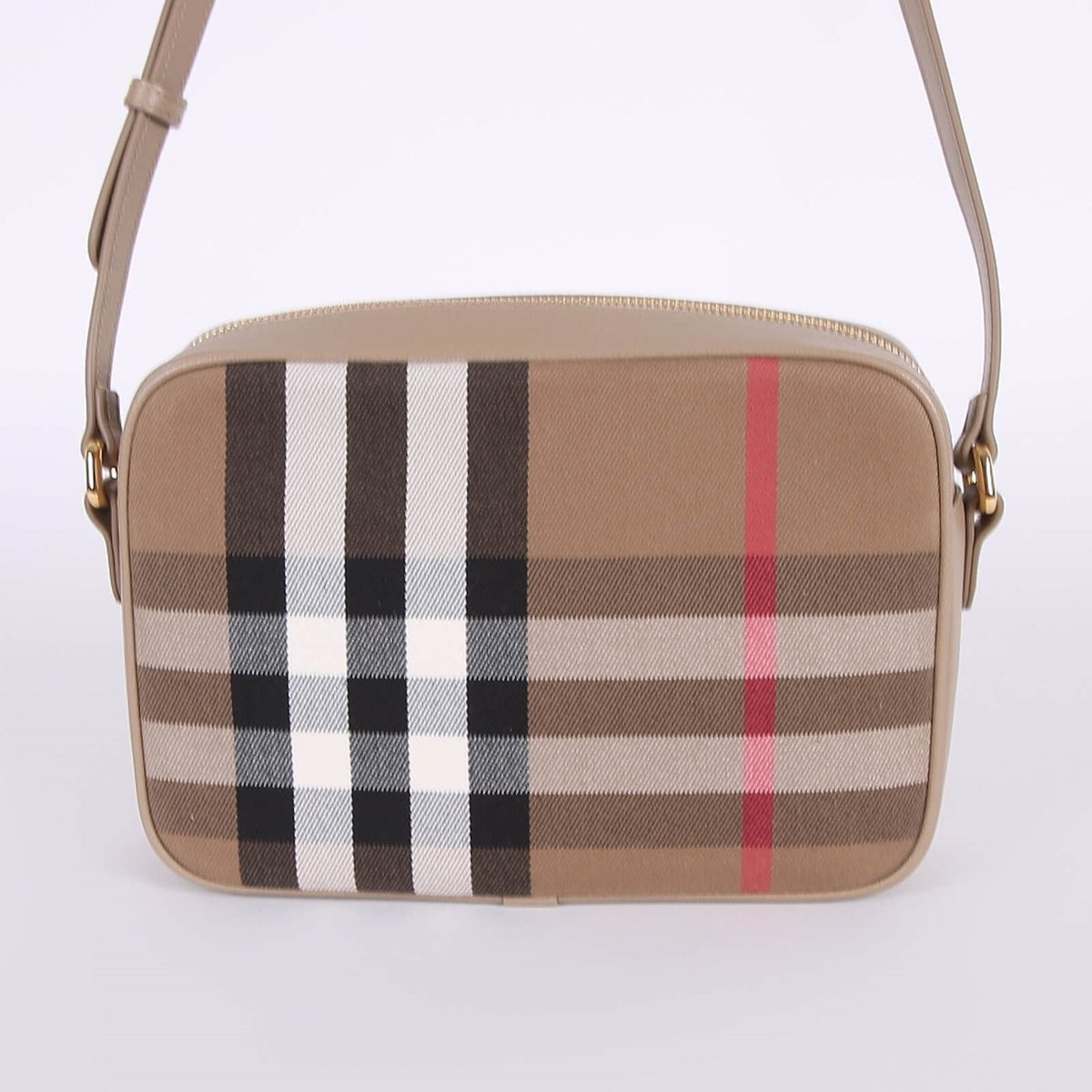 Check5 pcs · from 499.50 €
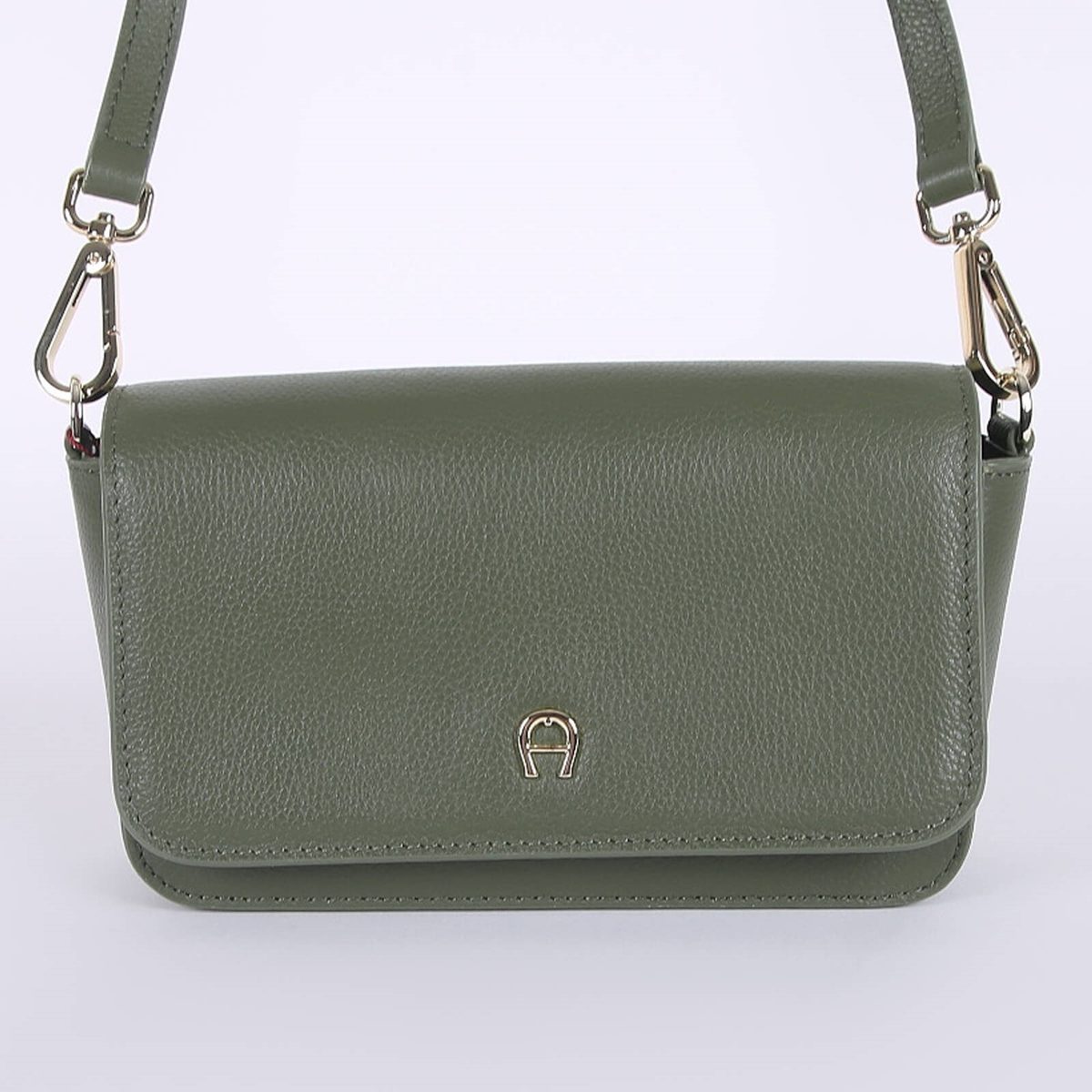 Dina4 pcs · from 224.50 €
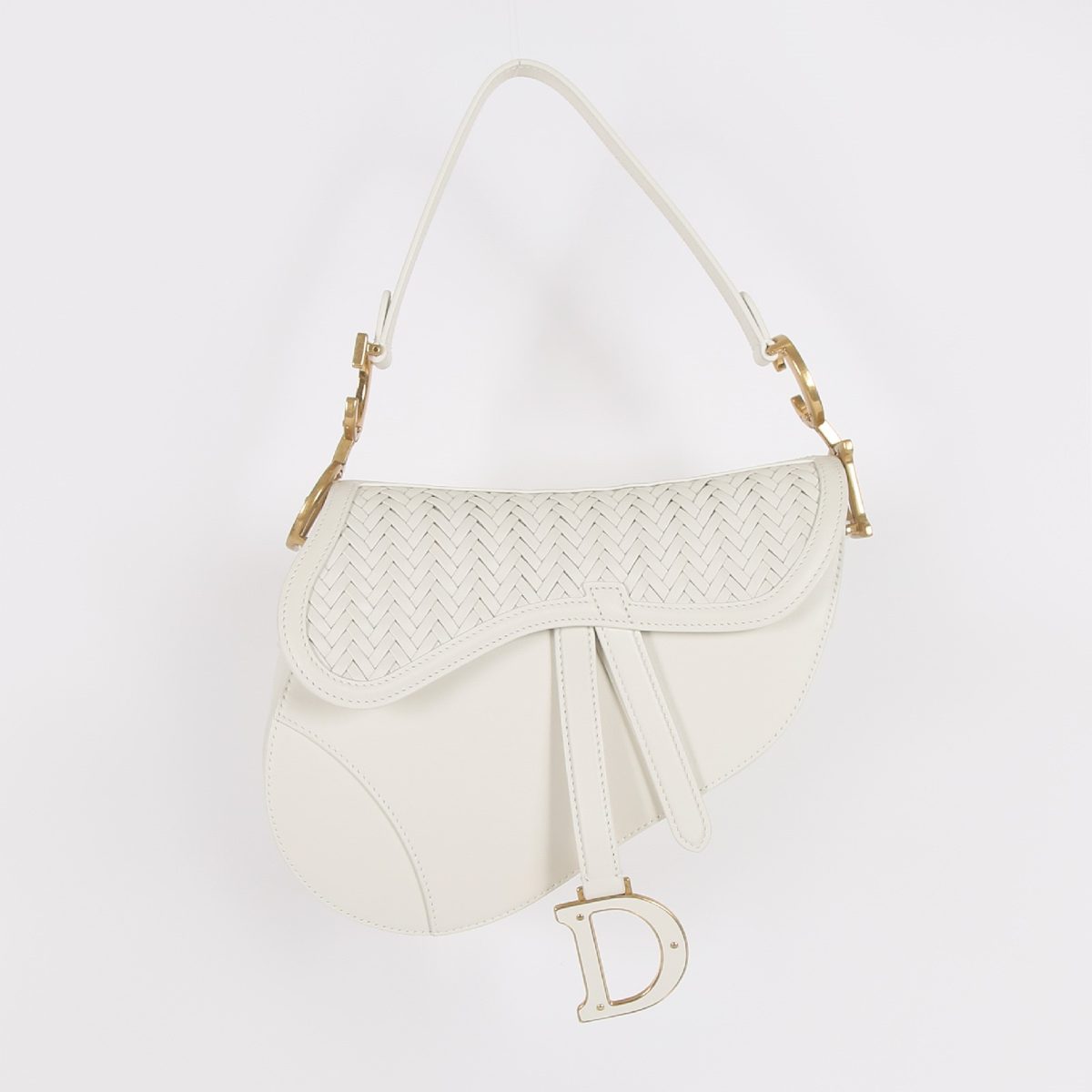 Saddle4 pcs · from 1 199.50 €
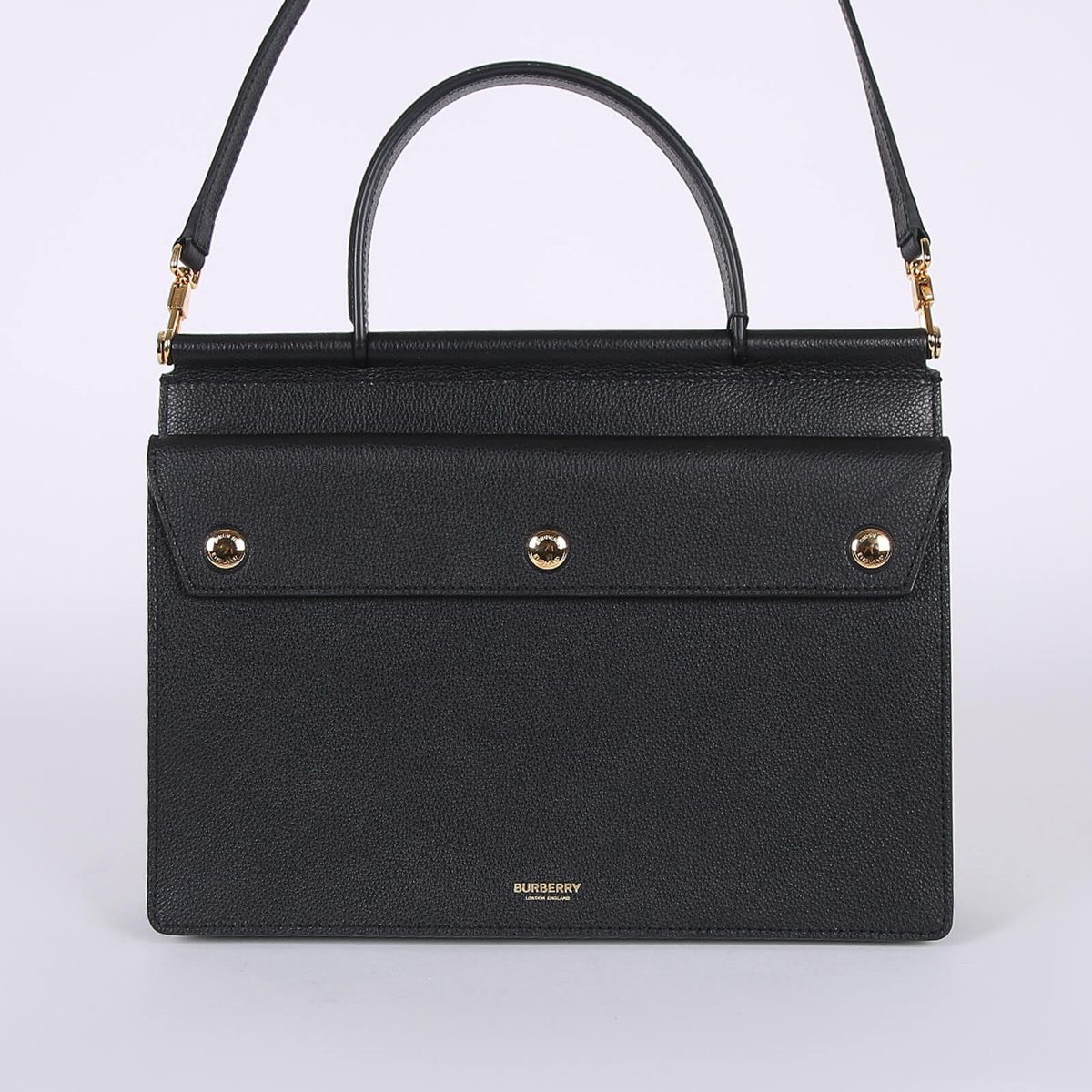 Pocket3 pcs · from 649.50 €
 Hazelmere3 pcs · from 349.50 €
 Toni3 pcs · from 199.50 €
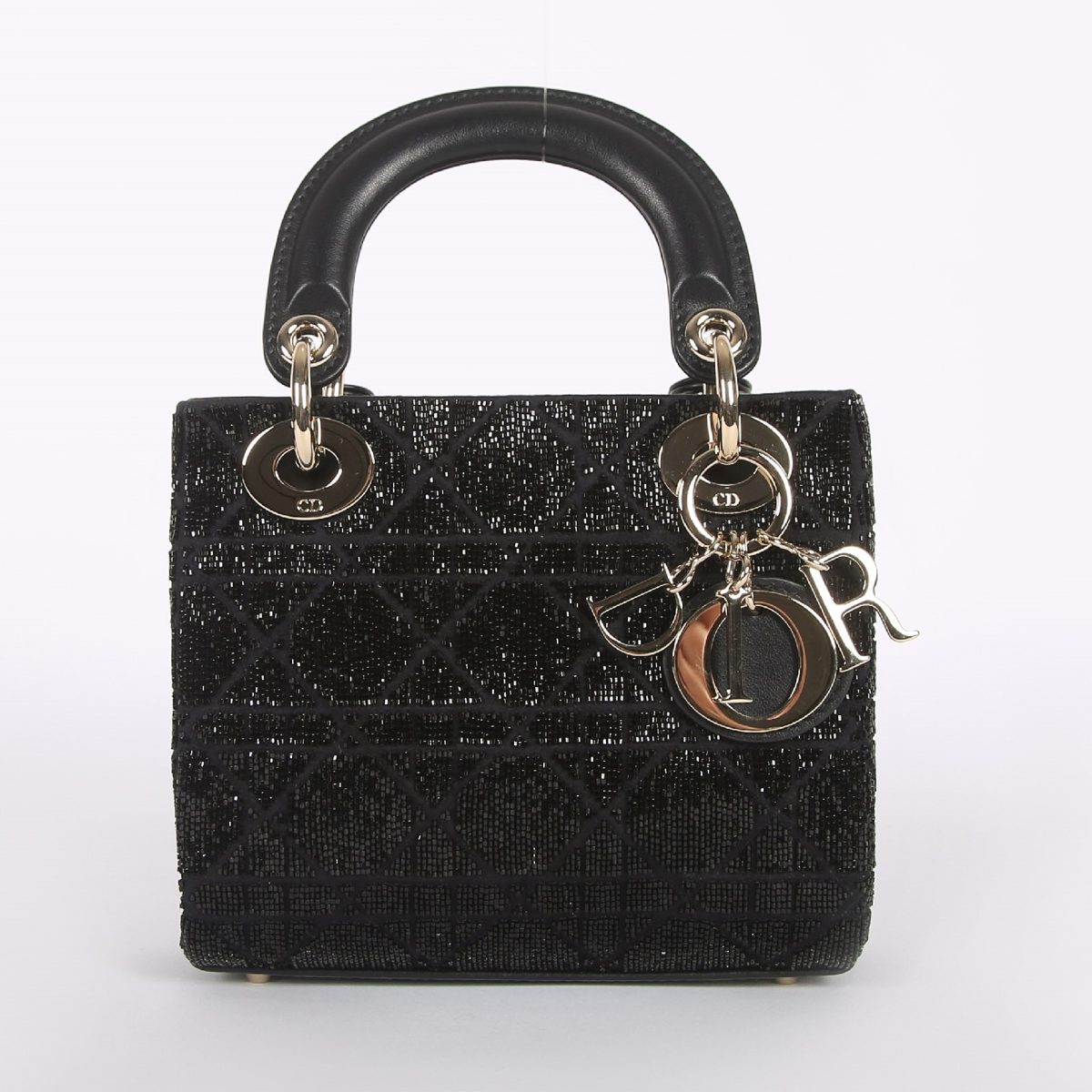 Dior3 pcs · from 2 499.50 €
Models
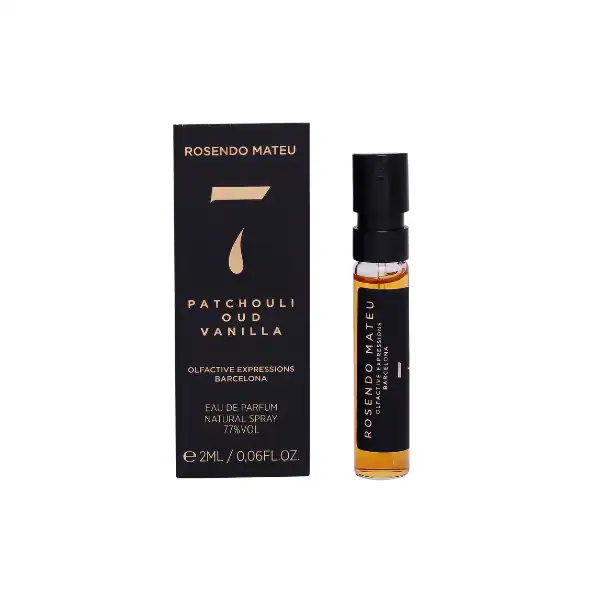 No.9 pcs · from 7.19 €
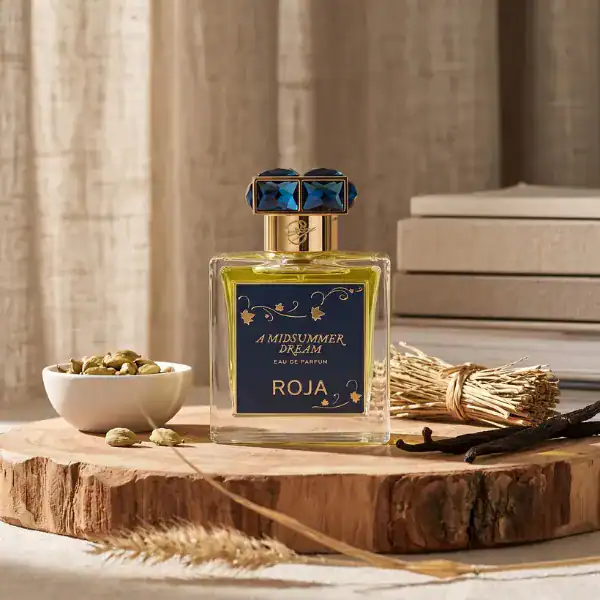 Roja Parfums5 pcs · from 274.80 €
 Body Shop4 pcs · from 10.20 €
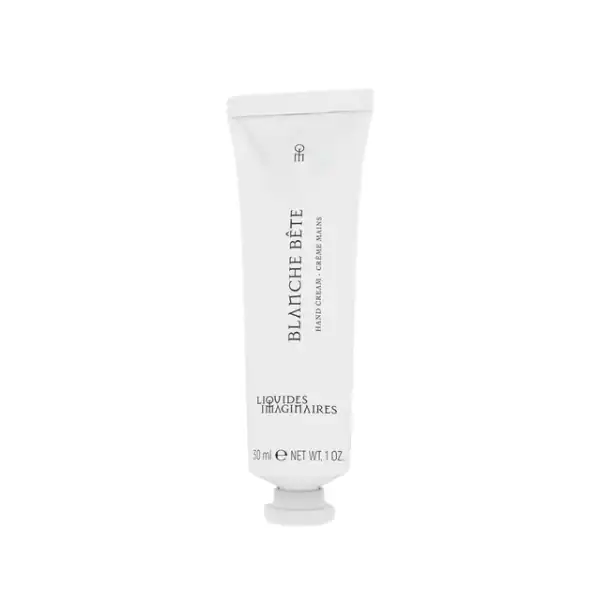 Blanche Bete3 pcs · from 35.99 €
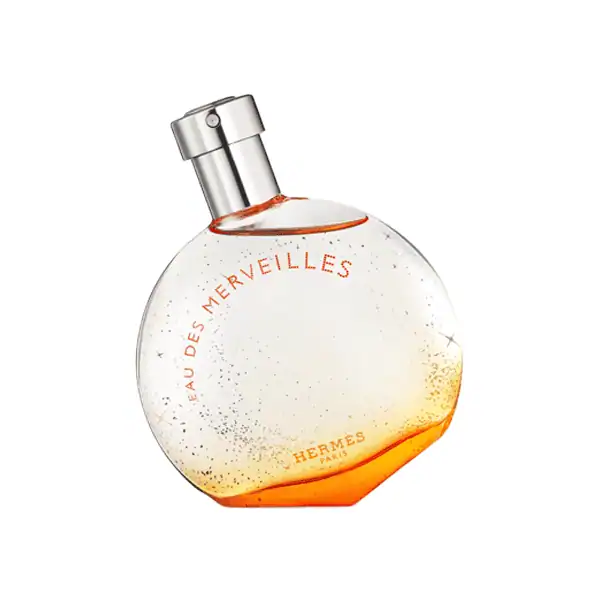 Eau des3 pcs · from 110.40 €
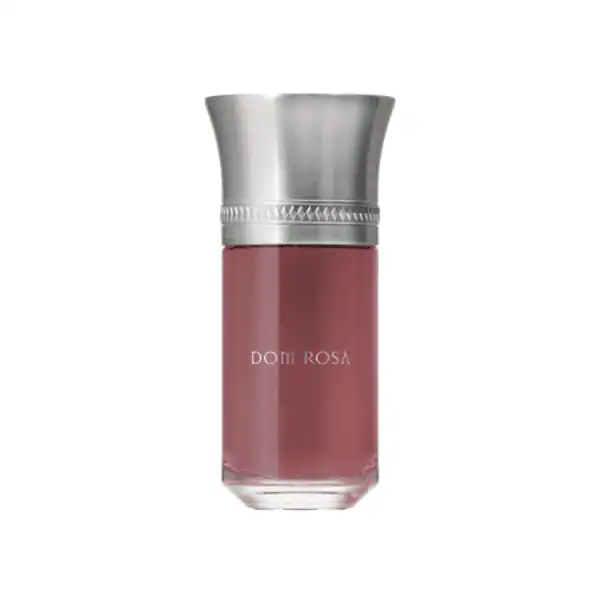 Dom Rosa3 pcs · from 5.99 €
Models
 Ritual of8 pcs · from 14.65 €
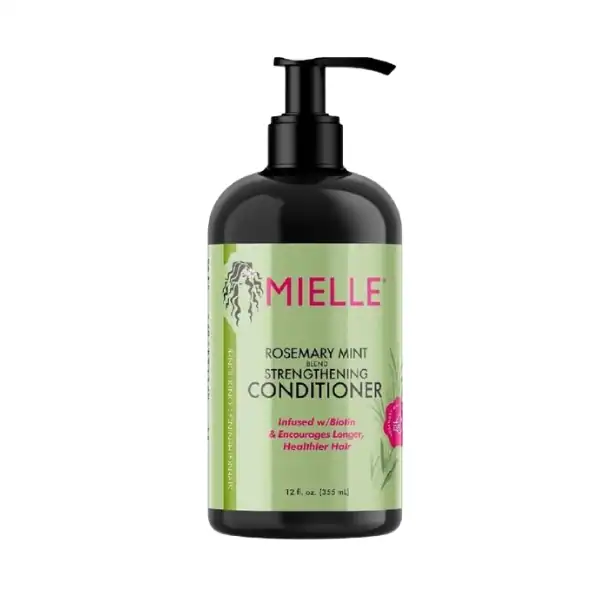 Rosemary Mint6 pcs · from 10.20 €
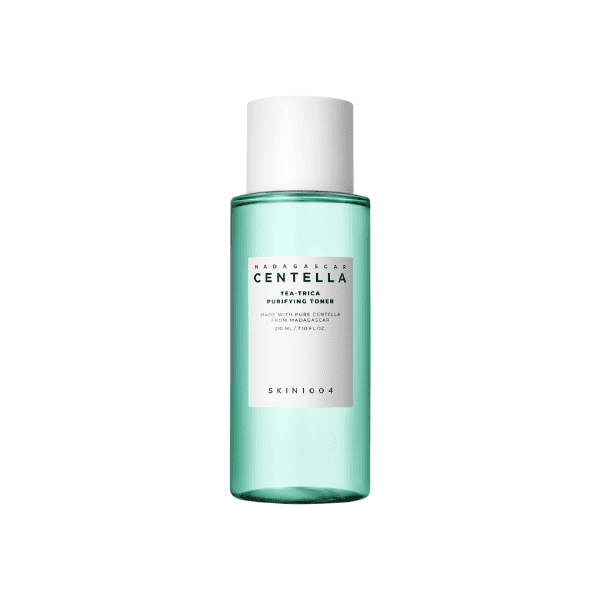 Madagascar Centella6 pcs · from 16.68 €
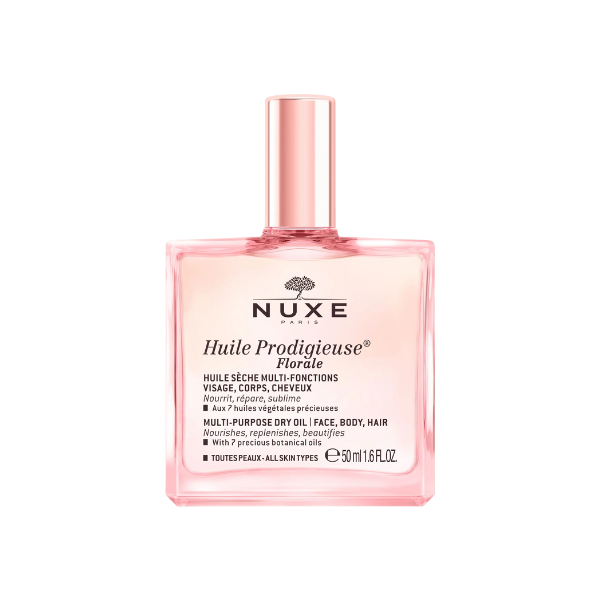 Huile Prodigieuse5 pcs · from 13.02 €
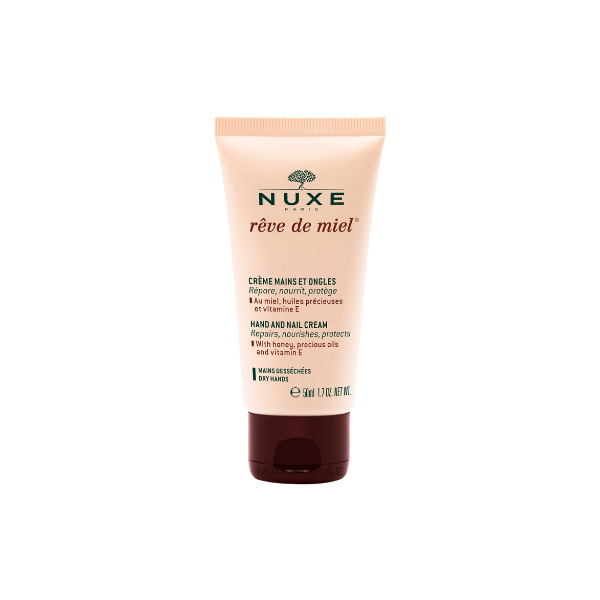 Reve de4 pcs · from 9.06 €
 Pomegranate &3 pcs · from 13.80 €
 Coconut Body3 pcs · from 16.79 €
 Mango Body3 pcs · from 16.68 €
 Strawberry Body3 pcs · from 16.68 €
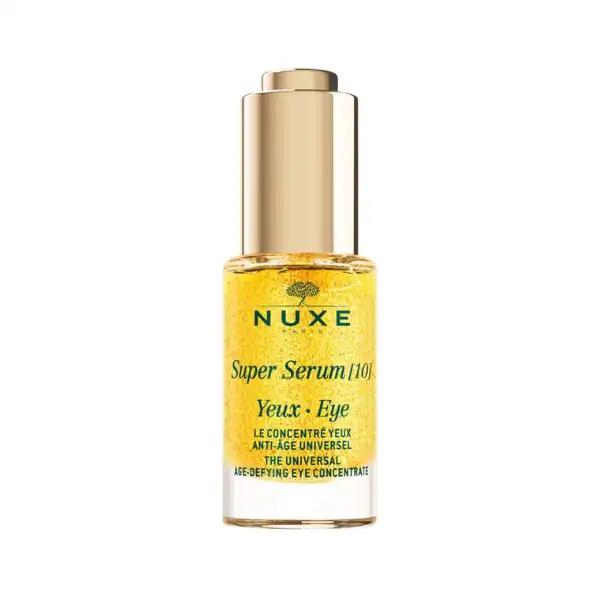 Super Serum3 pcs · from 43.80 €
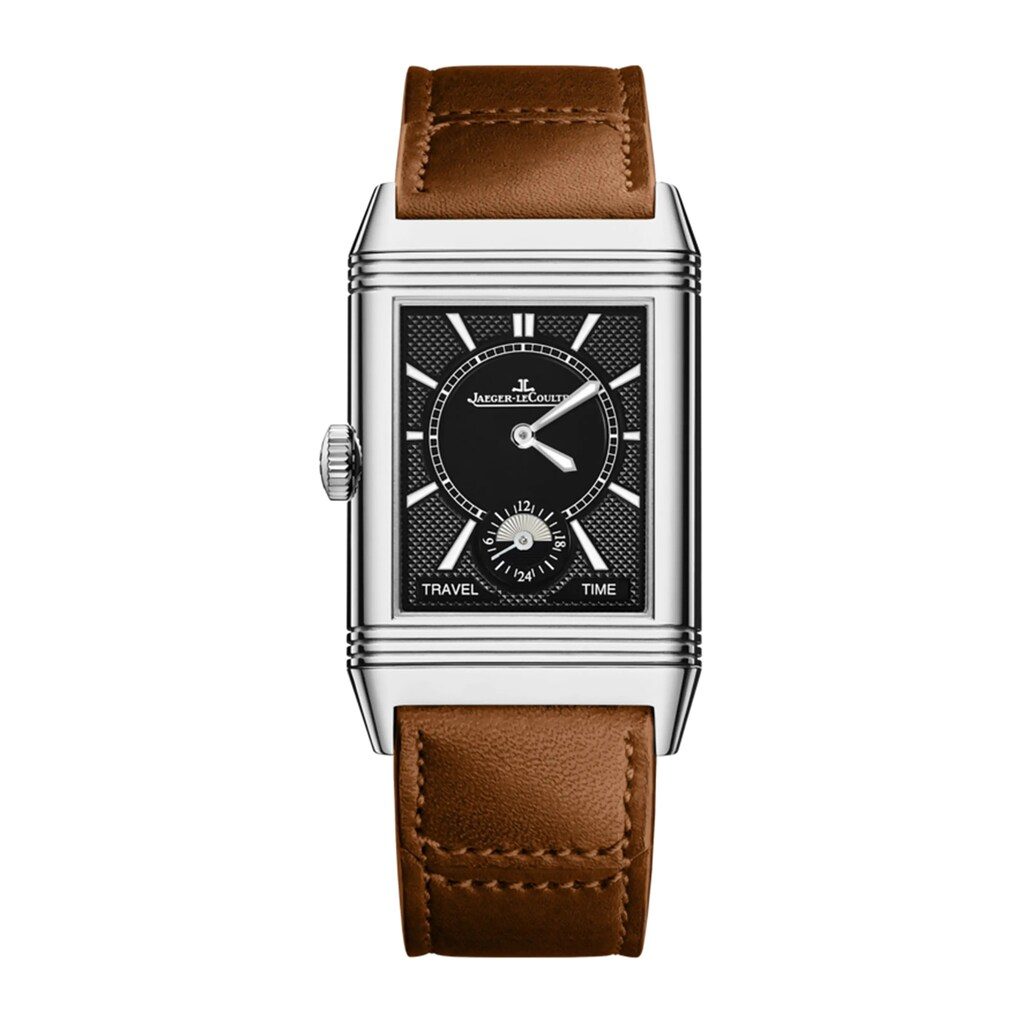 Reverso Classic Duoface, 28.5 mm, Stainless steelThis offer New — In stock 17 076.50 €
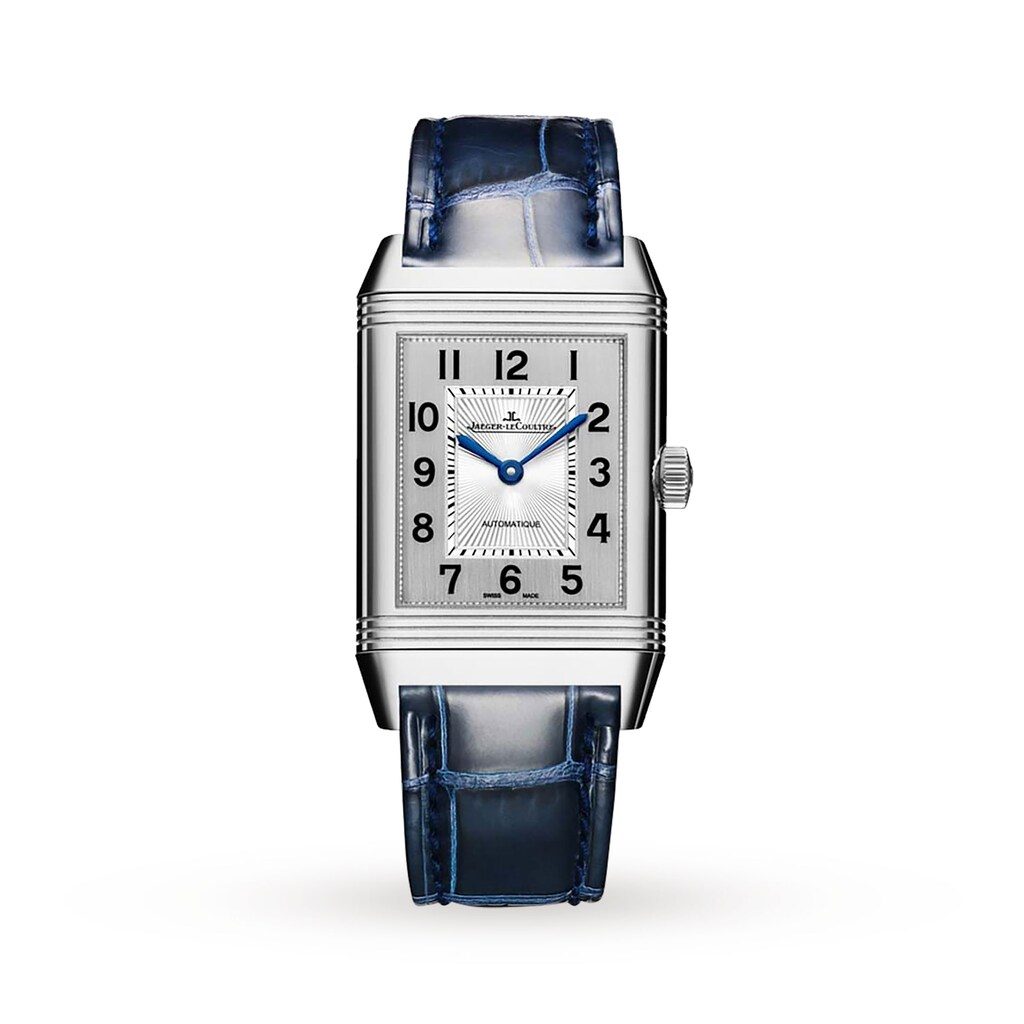 Reverso Classic, 24 mm, Stainless steel New — In stock 11 243.11 €View →
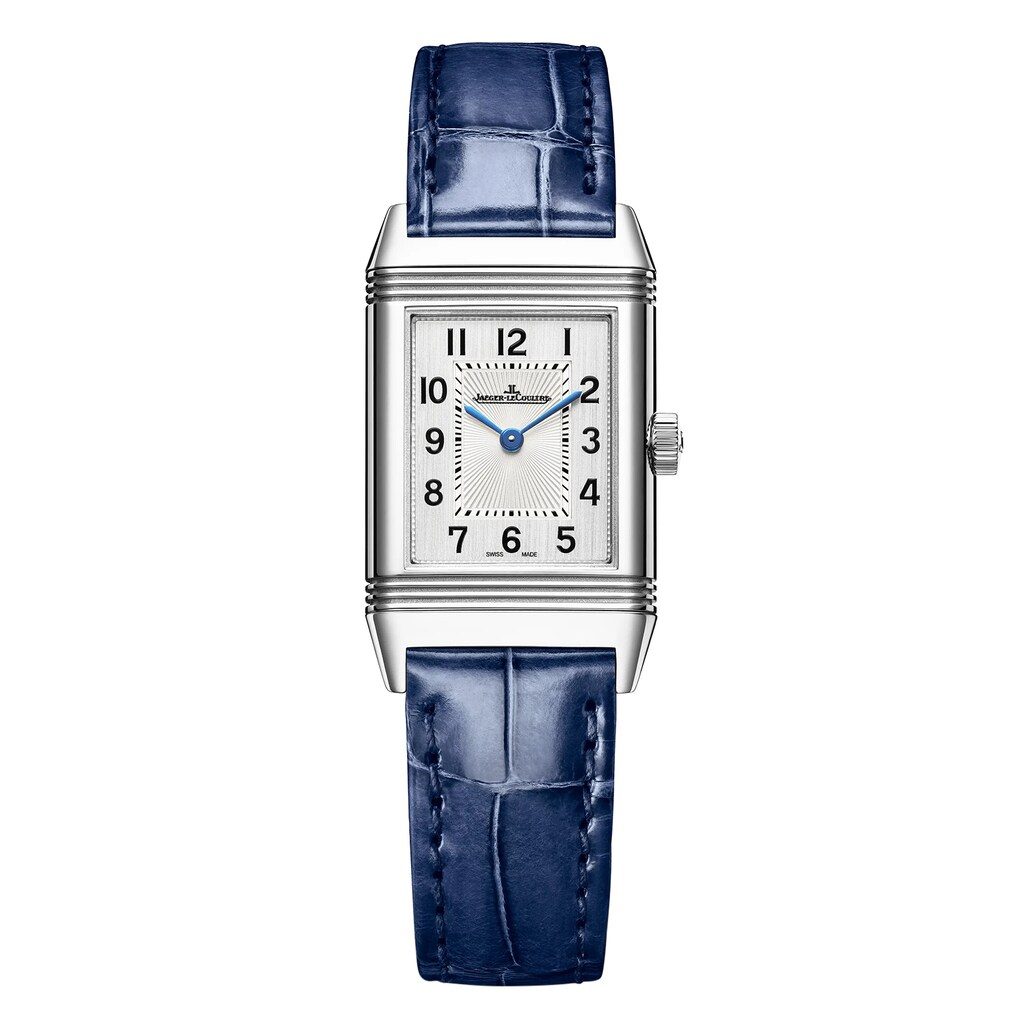 Reverso Classic, 34 mm, Stainless steel New — On order 9 385.55 €View →
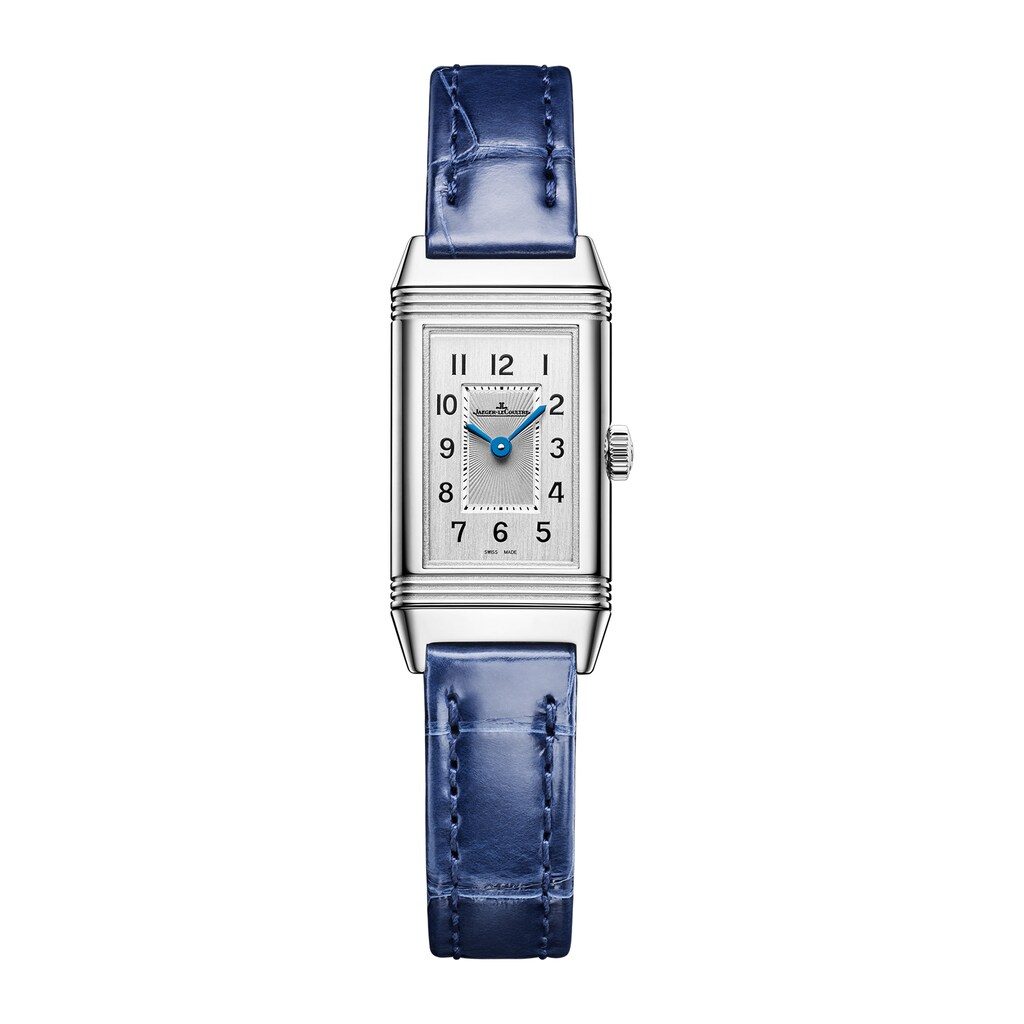 Reverso Classic Monoface Origin, Stainless steel New — In stock 6 517.74 €View →
The story of this watch · Chapters: 4
I · This watch
Jaeger-LeCoultre Reverso Classic Duoface (new condition) pairs a 28.5 mm case in stainless steel with a silver dial. It uses a hand-wound movement. Water-resistant to 30 m.
II · The manufacture
Antoine LeCoultre opened his workshop in the Swiss Vallée de Joux in 1833. His Millionometre of 1844 brought micrometre measurement into the making of watch parts. Collaboration with Paris watchmaker Edmond Jaeger began with an ultra-thin movement challenge in 1903. The miniature hand-wound Calibre 101 followed in 1929. In 1931, the Reverso’s swivelling case answered polo players’ need to protect a watch face. The partners adopted the combined Jaeger-LeCoultre name in 1937. The Memovox alarm watch joined the range in 1950. Today the Richemont Maison still develops and makes watches at its manufacture in Le Sentier.
III · Ownership
A hand-wound watch is wound with the crown, ideally at the same time every day, until you feel resistance. Never force it past that point.
Water resistance up to 50 m means splashes and rain. Do not swim or shower with it.
Have the movement serviced every few years by the brand's own service or an authorised watchmaker.
No reviews yet — be the first!